
Shop Fine Jewelry Diamond And Precious Gemstones today and experience the allure of exquisite craftsmanship combined with the brilliance of diamonds and precious gemstones. Discover the world of fine jewelry where quality meets elegance, and each piece tells a story of luxury and sophistication. The selection of high-quality diamonds and unique gemstones can elevate any jewelry collection, making it essential to understand their significance in the market.
From the meticulous grading systems that define diamond quality to the fascinating characteristics of rare gemstones, every detail matters in the realm of fine jewelry. This comprehensive guide will take you through the importance of selecting the right pieces, understanding craftsmanship, and maintaining your jewelry’s beauty. Dive into the trends and ethical considerations shaping today’s jewelry landscape, ensuring that every purchase reflects your personal style and values.
The Importance of Choosing Quality Diamonds in Fine Jewelry
Selecting high-quality diamonds is a crucial aspect of purchasing fine jewelry. Diamonds are more than just beautiful stones; they symbolize love, commitment, and prestige. Investing in a quality diamond enhances the overall aesthetic of jewelry, making it not only a stunning accessory but also a family heirloom that can be cherished for generations. When consumers understand the importance of selecting high-quality diamonds, they can make informed decisions that lead to greater satisfaction and lasting value.The significance of choosing quality diamonds lies in their grading and the impact this grading has on the jewelry’s overall value.
Diamonds are graded based on the Four Cs: Carat, Cut, Color, and Clarity. Each factor plays a vital role in determining both the visual appeal and monetary value of the diamond. Understanding these grading systems is essential for discerning consumers who wish to acquire the very best.
Grading Systems for Diamonds
The grading of diamonds is standardized across the jewelry industry, ensuring that buyers can trust the quality of their investment. The following are key aspects of the grading systems used to assess diamond quality:
- Carat: This measures the weight of the diamond. One carat equals 200 milligrams. Larger diamonds are rarer and more valuable, often leading to higher price tags.
- Cut: The cut of a diamond influences its brilliance and sparkle. A well-cut diamond reflects light beautifully, making it more desirable. Different cut grades range from Excellent to Poor, affecting both appearance and value.
- Color: Diamonds come in various colors, but the most sought-after are colorless or near-colorless. The grading scale runs from D (colorless) to Z (light yellow or brown). Lesser color quality can diminish a diamond’s perceived beauty and value.
- Clarity: This indicates the presence of internal or external imperfections, known as inclusions and blemishes. Clarity is graded from Flawless (no inclusions visible under 10x magnification) to Included (inclusions visible to the naked eye). Higher clarity grades increase a diamond’s value.
When it comes to the overall value of jewelry, the quality of the diamond directly correlates with its market worth. A higher quality diamond not only elevates the allure of the piece but also ensures that it retains its price over time. High-quality diamonds often yield greater customer satisfaction as they fulfill both aesthetic desires and investment expectations. The careful selection of these precious stones results in an exquisite piece of jewelry that stands the test of time, both in style and value.
Understanding Precious Gemstones and Their Unique Qualities
Precious gemstones have captivated human beings for centuries, not only for their beauty but also for their rarity and the stories they tell. Unlike ordinary stones, precious gemstones possess unique qualities that make them highly sought after in the jewelry market. This distinction is attributed to their physical properties, formation processes, and the cultural significance they carry across different societies.
Precious gemstones are characterized by their stunning visual appeal, exceptional durability, and rarity in nature. The four main attributes that define these stones are their color, clarity, cut, and carat weight—often referred to as the “Four Cs.” These characteristics not only contribute to their aesthetic value but also play a significant role in determining their market price. Unlike other stones, which may be more widely available, precious gemstones are often produced under specific geological conditions that make their formation a rare event.
Popular Types of Precious Gemstones
There are several types of precious gemstones, each with its own unique attributes and charm. The following list highlights some of the most popular precious gemstones and their distinctive qualities:
- Diamond: Renowned for its unparalleled hardness and brilliance, diamonds are categorized by their exceptional clarity and the dispersion of light they offer. The most prized diamonds are colorless, but they can also be found in various hues, including blue, pink, and yellow.
- Ruby: Known for its deep red color, rubies symbolize love and passion. Their vibrant hue comes from the presence of chromium, and high-quality rubies exhibit excellent clarity and minimal inclusions.
- Sapphire: While typically associated with a rich blue color, sapphires can be found in a rainbow of hues. Their hardness makes them ideal for daily wear, and they are often used in engagement rings.
- Emerald: Characterized by their lush green color, emeralds are cherished for their rarity and inclusions, which are often regarded as part of their charm. Unlike diamonds, emeralds are usually cut in a rectangular shape to maximize their color.
The rarity of gemstones significantly influences their pricing and desirability in the market. Factors such as the gemstone’s geographical origin, size, and the additional treatments it may have undergone can all impact its value. For instance, a natural, untreated gemstone sourced from a renowned location will often command a premium price compared to a treated or synthetic counterpart.
“Gemstone rarity is not just about scarcity; it is also tied to the history and desirability, making some stones significantly more valuable than others.”
In the realm of precious gemstones, understanding these unique qualities aids collectors and buyers alike in making informed purchases. The allure of precious gemstones lies not only in their beauty but also in their investment potential, making them a treasure worth cherishing.
The Craftsmanship Behind Fine Jewelry
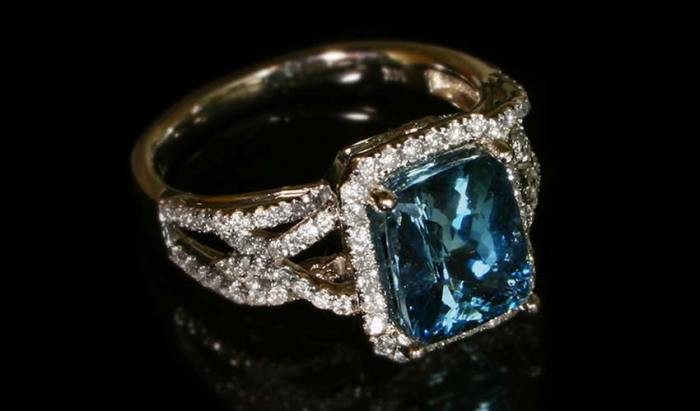
Creating fine jewelry is an intricate blend of artistry, skill, and precision. Each piece is a testament to the dedication of artisans who pour their expertise into transforming raw materials into breathtaking works of art. The journey begins with the selection of high-quality materials, including metals, gemstones, and innovative embellishments, which form the foundation of every exquisite creation.The craftsmanship involved in jewelry making encompasses various traditional and modern techniques.
Artisans employ a range of methods, from handcrafting to advanced technology, ensuring every piece is unique. Some of the traditional techniques include lost-wax casting, where a wax model is used to create a mold for the metal, allowing intricate details to come alive. Hand engraving and setting gemstones by hand add an unmistakable authenticity and character to each item.
Materials Used in Jewelry Making
Understanding the materials used in jewelry making is essential to appreciate its craftsmanship fully. Beyond precious gemstones, various metals and other materials play crucial roles in the creation process. Jewelry artisans typically use metals such as:
- Gold: Available in different karats and colors, gold is celebrated for its luster and malleability, making it a staple in fine jewelry.
- Silver: Known for its affordability and shine, silver can be used in various alloys to enhance its durability.
- Platinum: A premium metal that resists tarnishing and scratching, platinum is often chosen for its strength and rarity.
- Palladium: Similar to platinum but lighter and more affordable, palladium provides a modern alternative for luxury jewelry.
In addition to metals, enamels are used to add vibrant colors and designs to jewelry, creating striking contrasts to the brilliance of gemstones. This technique involves fusing powdered glass to metal surfaces, resulting in a glossy finish that elevates the overall aesthetic of the piece.Advancements in technology have introduced modern techniques such as 3D printing and laser cutting, which enhance precision and create complex designs that were once impossible to achieve.
While traditional craftsmanship methods emphasize artisanal skills and personal touch, modern methods offer efficiency and versatility. Both approaches bring unique benefits to the fine jewelry market, allowing artisans to experiment and innovate while still preserving the age-old traditions that define this exquisite craft. The balance of traditional and contemporary techniques is what makes fine jewelry truly remarkable, ensuring that each piece not only tells a story but also embodies the pinnacle of craftsmanship.
The Role of Fine Jewelry in Cultural and Personal Expression: Shop Fine Jewelry Diamond And Precious Gemstones
Throughout history, fine jewelry has transcended mere adornment, emerging as a profound medium of cultural and personal expression. From ancient civilizations to contemporary society, the allure of gemstones and precious metals has been intertwined with human identity, beliefs, and values. Jewelry serves as a symbol of social status, religious beliefs, and personal milestones, reflecting the unique narratives of individuals and cultures around the globe.Fine jewelry’s significance can be traced back to various cultural practices where gemstones and precious metals were not just decorative but held deep meaning.
For instance, ancient Egyptians adorned themselves with jewelry made from gold and lapis lazuli, symbols of wealth and divine protection. The use of turquoise among Native American tribes represented harmony with nature and was believed to attract good fortune. In India, the intricate designs of bridal jewelry are steeped in tradition, often signifying prosperity and good luck for the couple’s future.
Cultural Practices Highlighting the Significance of Gemstones and Jewelry
Jewelry serves as a canvas for cultural storytelling, embodying traditions and beliefs that span generations. Several practices emphasize this connection:
- Weddings and Ceremonies: In many cultures, weddings are marked by elaborate jewelry, such as the use of gold in Hindu weddings symbolizing wealth and prosperity.
- Religious Symbolism: Jewelry often features symbols of faith, such as crosses or prayer beads, which serve as public declarations of personal belief.
- Rites of Passage: Many cultures use jewelry to celebrate milestones, with items gifted during significant life events, such as graduations or birth ceremonies, representing personal growth.
- Heritage and Identity: Ethnic jewelry, often handcrafted, reflects the wearer’s heritage, showcasing unique craftsmanship and cultural identity.
In modern society, the use of fine jewelry has evolved, allowing consumers to express their identity and values dynamically. Many individuals today curate their jewelry collections to reflect personal experiences, social causes, and aesthetic preferences. Eco-conscious consumers increasingly seek ethically sourced gems and sustainable practices, showcasing their commitment to environmental stewardship through their jewelry choices. Customized pieces, often engraved or designed uniquely, serve as personal statements, allowing wearers to create a narrative that resonates with their individuality.
Jewelry now plays a pivotal role in self-expression, transforming into a medium of storytelling where each piece carries the weight of personal significance.
“Jewelry is a way of keeping memories alive, a symbol of who we are and what we believe.”
Care and Maintenance Tips for Fine Jewelry with Diamonds and Gemstones
Preserving the beauty of fine jewelry featuring diamonds and precious gemstones requires diligent care and maintenance. These exquisite pieces are not only valuable but also carry sentimental significance, making it essential to implement best practices for their upkeep. With proper care, you can maintain their brilliance and extend the life of your treasured items.Regular maintenance is crucial in ensuring that your diamonds and gemstones retain their luster and structural integrity.
Different types of stones and metals require specific cleaning methods to avoid damage. Below are essential tips for cleaning and caring for various gemstones and the metals that often accompany them.
Cleaning Methods for Different Gemstones and Metals
Understanding how to clean your fine jewelry is vital for its longevity. Here are some cleaning techniques tailored to specific gemstones and metal types:
- Diamonds: To clean diamond jewelry, use a solution of mild dish soap and warm water. Soak for 20-30 minutes, then gently scrub with a soft toothbrush, paying special attention to the underside of the stone. Rinse thoroughly and dry with a lint-free cloth.
- Emeralds: Due to their natural inclusions, emeralds should be cleaned with caution. Use a soft cloth dampened with warm water to wipe the surface. Avoid harsh chemicals and ultrasonic cleaners to prevent damage.
- Sapphires: These durable stones can be cleaned using a mild soap solution. Soak the jewelry briefly, scrub gently, and rinse well. They can also withstand ultrasonic cleaning, but care is advised.
- Gold and Platinum: For gold and platinum settings, use a gentle soap solution. A soft brush can be used for intricate designs. Rinse thoroughly to avoid soap residue from dulling the shine.
- Silver: Silver jewelry often tarnishes over time. Use a silver polishing cloth to restore its shine. For more thorough cleaning, a mixture of baking soda and water can be applied with a soft cloth. Rinse and dry completely.
Regular inspections and maintenance of fine jewelry are equally important. Routine check-ups by a professional jeweler can identify any potential issues before they escalate.
“Professional jewelry inspections help ensure the longevity and beauty of your cherished pieces.”
Importance of Professional Jewelry Inspections and Repairs
Having your fine jewelry inspected by a professional at least once a year is critical. This can include checking for loose stones, worn prongs, or any signs of wear that could compromise the integrity of the piece. Professional jewelers have the expertise to provide necessary repairs and ensure that your jewelry remains safe to wear.Regular professional cleaning is also recommended, as jewelers can access advanced tools and cleaning solutions that may not be available to the average consumer.
This deep cleaning will remove dirt and oils that may accumulate over time, bringing back the original sparkle of your diamonds and gemstones.Investing time and effort into the care and maintenance of your fine jewelry will not only keep it looking stunning but also safeguard your investment for years to come. Proper cleaning methods combined with routine inspections ensure that your treasured pieces are always ready to shine.
Trends in Fine Jewelry
As the world of fine jewelry continues to evolve, consumers are increasingly drawn to pieces that reflect their individuality and lifestyle. Diamonds and precious gemstones are at the forefront of these trends, showcasing not only traditional elegance but also modern flair. The current market is vibrant with innovation, driven by changing consumer preferences and the influence of digital platforms.The popularity of fine jewelry today is characterized by a few notable trends that emphasize personalization, sustainability, and the blending of vintage with contemporary designs.
These shifts are not merely aesthetic; they also reflect deeper values among consumers who seek to express their unique stories through their jewelry choices.
Personalization and Unique Designs
One of the most significant trends in fine jewelry is the surge in demand for personalized and unique pieces. Consumers are increasingly looking for jewelry that tells their story or represents a significant moment in their lives. This trend is evident in the rising popularity of custom-made jewelry, where individuals can select the gemstone, design, and style that resonates with them.
Initials and Birthstones
Customization often includes engravings of initials or the use of birthstones to create meaningful connections to the wearer’s identity.
Unique Shapes and Settings
Non-traditional shapes and innovative settings are gaining traction, as customers seek to break away from conventional designs.This focus on individuality is not only a reflection of personal taste but also aligns with a broader cultural movement towards self-expression and authenticity.
Influence of Social Media and Celebrities
The role of social media in shaping jewelry trends cannot be overstated. Platforms like Instagram and TikTok have become powerful tools for influencing consumer choices, with many aspiring jewelry designers showcasing their work through visual storytelling. Celebrities, too, play a pivotal role in this space, often setting trends by donning unique and eye-catching pieces at events.
Viral Trends
Hashtags and viral challenges have led to significant spikes in interest for specific styles, such as vintage-inspired pieces or colorful gemstone settings.
Celebrity Partnerships
Collaborations between celebrities and designers create buzz and introduce innovative designs to mainstream audiences.This synergy between social media and celebrity influence not only accelerates trend adoption but also democratizes access to fine jewelry, allowing for a wider range of styles to enter the market. As consumers seek to emulate their favorite stars, the demand for distinctive and trendsetting pieces continues to rise, making the landscape of fine jewelry more diverse and dynamic than ever before.
“Jewelry is not just an accessory; it is a reflection of who we are.”
Ethical Considerations When Purchasing Fine Jewelry
The allure of fine jewelry, especially diamonds and precious gemstones, often captivates consumers. However, the growing awareness surrounding the ethical implications of purchasing such items has transformed the landscape of jewelry shopping. As more individuals seek to align their purchases with their values, understanding the ethical considerations in the jewelry industry has become paramount. The choices we make reflect not only our personal style but also our commitment to responsible sourcing and sustainability.The ethical implications of buying diamonds and precious gemstones are multifaceted, impacting communities, economies, and the environment.
Historically, the mining of these precious materials has been linked to severe human rights violations, including labor exploitation and funding for armed conflicts, particularly in regions known as “conflict zones.” These factors have led to increased awareness and demand for ethically sourced gems that support responsible practices in mining and trade.
Significance of Conflict-Free Sourcing and Certifications, Shop Fine Jewelry Diamond And Precious Gemstones
Conflict-free sourcing refers to the commitment to ensuring that diamonds and gemstones are sourced from regions that do not finance violence or human rights abuses. To guarantee this, various industry-standard certifications have emerged, which serve as a guide for consumers seeking ethically sourced jewelry. These certifications, such as the Kimberley Process Certification Scheme, aim to prevent conflict diamonds from entering the market.Consumers should be aware of the following points regarding conflict-free sourcing and certifications:
- Transparency: Certified conflict-free stones typically come with documentation that verifies their origins. This helps consumers trace the supply chain and ensures ethical practices were followed throughout.
- Supporting Local Communities: Purchasing conflict-free gemstones often means supporting local economies and communities, as responsible mining practices can lead to better living conditions and job opportunities.
- Environmental Responsibility: Ethical certifications often include considerations for ecological impact, promoting sustainable mining practices that protect the environment and conserve natural resources.
- Consumer Awareness: By choosing certified products, consumers contribute to a demand for transparency in the jewelry industry, encouraging companies to adopt ethical practices.
The quest for ethical jewelry shopping involves informed decision-making by consumers. Knowledge about the origins of gemstones and the practices of the brands we support can drive change within the industry. When shopping for fine jewelry, consider researching brands that prioritize ethical sourcing and sustainability. Look for those that openly share their sourcing information and adhere to industry standards for ethical practices.Consumers can also choose to engage with jewelers who support ethical initiatives, participate in trade organizations committed to responsible sourcing, and actively promote conflict-free gemstones.
By doing so, they not only enhance their own purchasing experience but also contribute to a broader movement towards ethical consumerism in the fine jewelry market.
“Every purchase is a vote for the kind of world we want to live in.”
How to Choose the Right Jewelry for Different Occasions
Selecting the perfect jewelry for various occasions can elevate your look and express your personal style. Understanding the nuances of different events, from formal weddings to casual outings, allows you to choose pieces that harmonize with the ambiance and your attire, making a statement that resonates with your individuality.When it comes to choosing jewelry, several factors come into play, including the level of formality of the event, your personal style, and the specific occasion.
Each of these factors plays a crucial role in determining whether to go bold or subtle, classic or trendy. Below is a guide to help navigate the jewelry selection process for different occasions.
Jewelry Selection for Weddings
Weddings are typically formal occasions that call for elegant and refined jewelry. The choice of jewelry should complement the outfit while reflecting the romantic atmosphere of the event.
- Classic Diamond Studs: Timeless and sophisticated, diamond studs provide a touch of sparkle without overwhelming the bridal look.
- Delicate Necklaces: A subtle pendant or a simple chain can add grace, especially when layered with other pieces.
- Statement Earrings: For those who wish to stand out, chandelier earrings adorned with pearls or colored gemstones can enhance an elegant gown dramatically.
Jewelry Selection for Parties
Parties are lively and fun, allowing for a bit more creativity in your jewelry choices. The key is to find a balance between boldness and style, ensuring that your jewelry complements your outfit without overshadowing it.
- Bold Statement Pieces: Choose oversized rings or chunky bracelets to showcase your personality and add flair to your ensemble.
- Colorful Gemstones: Vibrant jewelry featuring sapphires, rubies, or emeralds can bring a playful and lively element to your look.
- Mix-and-Match Options: Layering different styles of necklaces or stacking various bracelets allows for an individualized approach that reflects your creativity.
Jewelry Selection for Casual Outings
Casual outings call for relaxed and understated jewelry that complements your attire without being overly flashy. The focus here is on comfort and simplicity.
- Minimalist Designs: Simple hoop earrings or a subtle charm bracelet can enhance casual wear without drawing too much attention.
- Natural Materials: Wooden or beaded necklaces can provide an earthy vibe that aligns with a laid-back aesthetic.
- Everyday Rings: Stacking thin bands or wearing a single statement ring can keep your look polished yet casual.
“Choosing the right jewelry is about creating harmony between your outfit, the occasion, and your personal expression.”
Summary
In conclusion, choosing to Shop Fine Jewelry Diamond And Precious Gemstones is not just an investment in beauty but also an expression of individuality and taste. With the right knowledge and care, each piece can serve as a cherished heirloom, a symbol of love, or a statement of personal style. Embrace the elegance and craftsmanship of fine jewelry, and let your collection shine with the brilliance of diamonds and the allure of precious gemstones.
Commonly Asked Questions
What should I look for when buying diamonds?
Focus on the Four Cs: Cut, Color, Clarity, and Carat weight to assess diamond quality and value.
How do I care for my precious gemstones?
Keep them clean and store them separately to avoid scratches; consult a professional for deep cleaning.
Are all gemstones equally valuable?
No, gemstones vary in value based on rarity, quality, and market demand.
What are ethical considerations when purchasing jewelry?
Look for conflict-free certifications and ensure transparent sourcing practices to support ethical buying.
How can I determine the right jewelry for an occasion?
Consider the event’s formality, your personal style, and the type of jewelry that complements your outfit.

Leave a Comment