
Explore Women’s Jewelry Trendy And Fine Collections sets the stage for this enthralling narrative, offering readers a glimpse into a story that is rich in detail and brimming with originality from the outset. From the glamorous adornments of yesteryear to the modern masterpieces that define today’s style, the evolution of women’s jewelry has been a captivating journey influenced by culture, craftsmanship, and contemporary trends.
Dive into the world of jewelry where every piece tells a story, reflecting not just personal style but the dynamic shifts of societal norms and technological advancements.
The Evolution of Women’s Jewelry Trends Over the Decades
Throughout history, women’s jewelry has served as both a fashion statement and a symbol of personal identity. The evolution of jewelry trends reflects broader cultural shifts, technological advancements, and changing societal values. From the intricate designs of the Victorian era to the minimalist aesthetics of contemporary styles, jewelry has continuously adapted, showcasing the creativity and craftsmanship of its time.The transition in women’s jewelry styles can be traced through various decades, each marked by distinctive trends influenced by social movements, art, and even historical events.
Jewelry is not merely decorative; it embodies the essence of its era, often mirroring the cultural influences that shape women’s lives.
Significant Decade Trends in Women’s Jewelry
Women’s jewelry has undergone remarkable transformations throughout the decades, each influenced by contemporary culture and societal norms. Here are notable jewelry trends from each decade, highlighting signature pieces and their lasting impact on modern designs.
- 1920s: The Roaring Twenties brought about the flapper movement, characterized by bold, geometric designs and the use of materials such as rhinestones and pearls. Iconic pieces included long strand pearls and Art Deco brooches that symbolized liberation and a break from traditional norms.
- 1940s: During World War II, jewelry took on a more practical approach as materials were rationed. Women’s jewelry featured patriotic themes, with pieces often made from less expensive materials. Notable items from this era included charm bracelets that allowed for personal expression, reflecting the resilience of women during challenging times.
- 1960s: The counterculture movement of the 1960s led to the popularity of bohemian and statement jewelry. Bold, oversized earrings and peace symbol pendants became symbols of rebellion and self-expression. The influence of artists like Andy Warhol and the rise of pop art also ushered in a new era of colorful and quirky designs.
- 1980s: The excess of the 1980s was mirrored in the jewelry trends of the time. Chunky gold chains, large hoop earrings, and vibrant gemstones dominated the scene. This decade was about making a statement, and the bold designs reflected the era’s flamboyance, paving the way for today’s love of statement pieces.
- 2000s: The new millennium saw a shift towards personalized jewelry and the rise of fine jewelry brands that emphasize quality over quantity. Signature pieces from this era included initial pendants and stacking rings, which promoted individuality and customizable options that are still popular today.
“Jewelry is a way of keeping memories alive.”
A sentiment that resonates through the evolution of jewelry trends.
The evolution of women’s jewelry trends over the decades showcases a rich tapestry of culture, history, and personal expression. The significance of each era is embedded in the designs that continue to inspire modern collections, reminding us that jewelry is not just an accessory, but a reflection of the times and the women who wear it.
Distinguishing Between Trendy and Fine Jewelry Collections
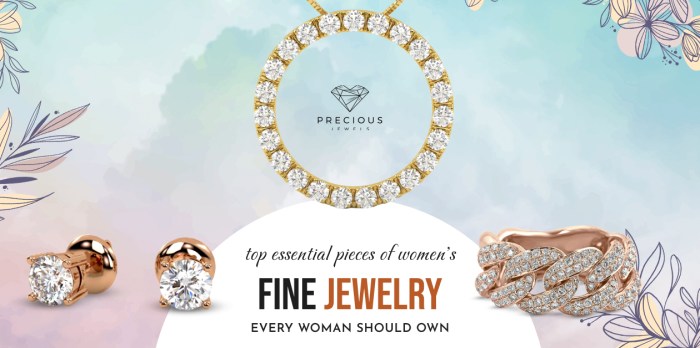
When it comes to jewelry, understanding the distinction between trendy and fine collections is essential for making informed purchases and appreciating the artistry behind each piece. Trendy jewelry often captures the spirit of the moment, reflecting the latest styles and fads, while fine jewelry embodies timeless elegance and craftsmanship that transcends trends. Both categories have their unique allure, catering to different tastes and occasions.The characteristics that differentiate trendy jewelry from fine jewelry can be categorized into several key aspects, including materials used, craftsmanship, and the intended longevity of each piece.
Trendy jewelry typically employs less expensive materials such as base metals, synthetic gems, and enamel, appealing to fashion-forward consumers looking for affordable ways to express their style. In contrast, fine jewelry is crafted from high-quality materials like gold, silver, platinum, and precious gemstones such as diamonds, sapphires, and emeralds, which are chosen for their value and durability.
Materials and Craftsmanship
The materials and craftsmanship of jewelry play a significant role in its classification. Trendy pieces are often mass-produced, which can lead to less attention to detail and lower quality. These items are designed for immediate appeal, frequently changing with the seasons or the latest fashion trends. On the other hand, fine jewelry is often handmade or produced in limited quantities, showcasing exceptional craftsmanship and attention to detail.
The process may involve intricate techniques such as hand-setting stones, engraving, and polishing, which elevate the piece’s overall quality and aesthetic.The longevity of trendy jewelry is often compared to the timelessness of fine jewelry. Trendy pieces may only remain in vogue for a short period, making them less suitable for long-term investment. However, they allow for fun experimentation and expression of personal style without significant monetary commitment.
Conversely, fine jewelry is designed to last a lifetime and often becomes a cherished heirloom. The enduring nature of fine jewelry not only reflects its quality but also its potential to appreciate in value over time, making it a smart investment for the future.
The distinction between trendy and fine jewelry lies not only in materials and craftsmanship but also in their intended lifespan and emotional significance.
The Role of Influencers in Shaping Jewelry Trends
The jewelry industry has experienced a significant transformation in recent years, primarily driven by the rise of social media influencers. These individuals, with their vast follower bases and engaging content, play a pivotal role in shaping consumer preferences and trends in jewelry. Their impact extends beyond mere promotion; they create a cultural narrative that resonates deeply with audiences, placing jewelry brands at the forefront of contemporary style.Influencers leverage platforms such as Instagram, TikTok, and YouTube to showcase their personal style, often featuring jewelry pieces that align with current fashion trends.
This approach has proven to be far more effective than traditional marketing techniques, which often lack the authentic engagement that influencers provide. Unlike conventional advertisements that push products onto consumers, influencers cultivate a sense of community and trust, making their endorsements feel more organic and relatable.
Comparison of Traditional Marketing and Influencer Promotions
The effectiveness of traditional marketing techniques in the jewelry sector is diminishing as consumers increasingly seek authenticity and connection. Here are key points illustrating the contrast between these two approaches:
Engagement Levels
Influencer promotions generate higher engagement rates compared to traditional ads. Influencers often receive thousands of likes, comments, and shares on their posts, fostering a dialogue with their audience.
Targeted Reach
Influencers can effectively target niche markets. Many jewelry brands collaborate with micro-influencers who have smaller but highly engaged audiences, ensuring that their products reach the right consumers.
Authenticity and Trust
Influencer marketing capitalizes on the trust influencers have built with their followers. This trust makes followers more likely to purchase products that influencers endorse.
Content Creation
Influencers create visually appealing content that showcases jewelry in real-life settings, enhancing the desirability of the products. Traditional marketing often relies on static images or generic commercials.
“Influencers turn jewelry into a lifestyle choice, not just a purchase.”
Successful Jewelry Campaigns Driven by Influencers
Numerous jewelry brands have leveraged influencer partnerships to create impactful marketing campaigns. Here are notable examples of success:
Daniel Wellington
This watch brand effectively utilized influencer partnerships to gain recognition. By sending free watches to influencers, they encouraged organic promotion, resulting in millions of sales and widespread brand awareness.
Mejuri
Focused on fine jewelry, Mejuri has built its brand around influencer collaborations. They engage influencers who embody their values of empowerment and self-expression, leading to a loyal customer base and a social media presence that resonates with modern consumers.
Pandora
The brand launched campaigns featuring influencers who showcased their jewelry in daily life situations. This authenticity led to a significant increase in social media engagement and a boost in sales, particularly among younger demographics.Through these strategies, influencers have solidified their position as key players in the jewelry market, shaping trends and consumer behavior like never before.
Sustainability in Women’s Jewelry
As the world increasingly values eco-conscious choices, sustainability has become a cornerstone of modern jewelry design and production. Women today seek not only aesthetic appeal in their jewelry but also a commitment to ethical practices and environmental responsibility. Sustainable jewelry represents a fusion of beauty with a purpose, making it a pivotal trend in the industry.The importance of sustainability in jewelry cannot be overstated.
With the growing awareness of environmental issues, consumers are gravitating towards brands that prioritize eco-friendly practices. Sustainable jewelry is crafted from responsibly sourced materials, minimizing ecological footprints while promoting fair labor practices. This shift reflects a fundamental change in consumer consciousness, where the desire for beautiful, meaningful adornments aligns with a commitment to protecting our planet.
Leading Brands in Eco-Friendly Jewelry
Several brands are at the forefront of sustainable jewelry, setting examples through their innovative practices and commitment to environmental stewardship. These industry leaders utilize recycled materials, ethically sourced gemstones, and transparent supply chains to ensure their products are as responsible as they are beautiful.
- Mejuri: Known for its direct-to-consumer model, Mejuri emphasizes sustainability by offering fine jewelry made with recycled gold and conflict-free diamonds. Their transparent pricing model allows customers to appreciate the ethical sourcing behind each piece.
- Brilliant Earth: This brand champions ethical jewelry by providing options made from recycled materials and responsibly sourced stones. They also contribute to environmental restoration initiatives, reinforcing their commitment to the planet.
- Vrai: Specializing in lab-grown diamonds, Vrai offers a sustainable alternative to traditional mined stones, reducing the environmental impact associated with diamond extraction.
In addition to their commitment to sustainability, these brands engage in educational campaigns to raise awareness about the importance of eco-friendly practices in the jewelry industry. They strive to inspire consumers to make informed choices regarding their purchases, highlighting the profound impact that sustainable jewelry can have on both the environment and communities.Consumer awareness and demand for sustainable jewelry options have surged recently, driven by the desire for transparency and responsibility in fashion.
Buyers today are actively seeking jewelry that tells a story of sustainability, ethical sourcing, and social responsibility. This trend signals a broader cultural shift towards valuing products that contribute to positive change rather than merely serving as decorative items.
“The future of jewelry lies in its ability to be both stunning and sustainable, offering consumers the best of both worlds.”
As more consumers embrace the ethos of sustainability, the jewelry industry is witnessing a transformative shift. Brands that prioritize eco-friendly practices are not just meeting consumer demand; they are paving the way for a more responsible and beautiful future in jewelry design.
Exploring the Popularity of Personalized Jewelry
The demand for personalized jewelry has witnessed a remarkable surge among women in recent years. This trend reflects a desire for individuality and self-expression, making each piece of jewelry a unique representation of personal stories and memorable moments. Women today are gravitating towards jewelry that holds deeper significance, bridging the gap between fashion and sentimentality.The rise of e-commerce and social media platforms has further fueled this trend, allowing for an array of customizable options that cater to diverse tastes and preferences.
Personalized jewelry allows women to wear their identity, making it a staple in modern fashion.
Customizable Options in the Market
The market offers a myriad of customizable jewelry options, catering to varying styles and occasions. These options empower women to create pieces that resonate with their personal narratives. Key customizable choices include:
- Engraved Jewelry: Necklaces, bracelets, and rings can be engraved with names, initials, or significant dates, adding a personal touch that transforms a simple piece into a cherished keepsake.
- Birthstone Jewelry: Incorporating birthstones into rings, pendants, or earrings allows for a beautiful representation of personal significance, often symbolizing family members or special milestones.
- Photo Lockets: These timeless pieces can hold a loved one’s image, creating a sentimental connection that makes the jewelry truly one-of-a-kind.
- Custom Charms: Charm bracelets or necklaces can include charms that symbolize hobbies, interests, or important life events, offering a unique way to tell one’s story.
Personalization in jewelry not only enhances aesthetic appeal but also elevates the emotional value of each piece. Women are connecting with their jewelry on a deeper level, often choosing pieces that represent their journeys, aspirations, and relationships.
“Personalized jewelry serves as a reminder of cherished moments and relationships, making it an invaluable part of one’s personal collection.”
The emotional connection that personalized jewelry fosters can transform it into a treasured heirloom, passed down through generations. This intrinsic value makes personalized pieces not just accessories but symbols of love, memory, and identity.
The Impact of Technology on Jewelry Design and Shopping: Explore Women’s Jewelry Trendy And Fine Collections
The jewelry industry has undergone significant transformation due to technological advancements, enhancing both the design processes and the shopping experience. From innovative design software to online retail platforms, technology plays a pivotal role in shaping how women discover and purchase jewelry today.
Technological Advancements in Jewelry Design
Modern technology has revolutionized the way jewelry is designed, allowing for increased creativity and precision. Tools such as Computer-Aided Design (CAD) enable designers to create intricate and detailed pieces with ease and accuracy. This software reduces the time needed for prototyping and allows for rapid adjustments based on client feedback.Additionally, 3D printing technology has emerged as a game changer in jewelry production.
Designers can now produce prototypes and even final products with exceptional detail, reducing waste and lowering costs. This method allows for personalized designs that cater to the unique preferences of each customer, making bespoke jewelry more accessible.
Online Shopping Trends in Jewelry, Explore Women’s Jewelry Trendy And Fine Collections
The rise of e-commerce has significantly altered how women purchase jewelry. Online shopping platforms provide access to a wider variety of options than traditional brick-and-mortar stores, empowering consumers to compare styles and prices effortlessly. Women can now explore collections from global brands without leaving their homes, making it easier to find the perfect piece.The convenience of online shopping is further enhanced by detailed product descriptions, customer reviews, and high-resolution images.
Many brands offer virtual consultations to help customers make informed decisions. This shift has also encouraged brands to improve their online presence, leading to a more competitive marketplace.
Augmented Reality in the Jewelry Shopping Experience
Augmented Reality (AR) is revolutionizing the jewelry shopping experience by allowing customers to visualize how pieces will look on them without trying them on physically. Using smartphone applications, women can see how a ring, necklace, or pair of earrings complements their personal style. This technology not only enhances the engagement but also boosts consumer confidence in their purchasing decisions.For example, some brands have implemented AR features that allow users to overlay jewelry designs onto their images in real-time.
This interactive experience merges the convenience of online shopping with the traditional in-store experience, ensuring that customers can make choices that they feel satisfied with.
The integration of technology in jewelry design and shopping is not just a trend; it’s the future of the industry.
Cultural Significance of Jewelry in Different Societies
Jewelry has long been intertwined with cultural identity, symbolizing not only personal taste but also community values and significant life events. Across the globe, different societies have crafted unique pieces that tell their stories, celebrating milestones through artistic expressions in metal, stone, and design. This cultural heritage is reflected in the intricate details and meanings embedded within jewelry, making it a vital aspect of various traditions.
Celebration of Significant Life Events Through Jewelry
In many cultures, jewelry serves as a key marker for life’s pivotal moments, from birth to marriage and beyond. For instance, in Indian culture, gold jewelry is not only a financial asset but is also integral to weddings, with brides adorned in elaborate sets that symbolize prosperity and good fortune. In contrast, the Jewish tradition features the use of the Star of David or Chai symbol in jewelry, embodying faith and identity during significant life events like Bar or Bat Mitzvahs.
- Birth Celebrations: In various cultures, newborns are often gifted special pieces, such as a gold chain or bracelet, to ward off evil spirits and ensure protection.
- Marriage Rituals: Wedding rings symbolize eternal love and commitment across many societies, while cultural variations like the Hawaiian lei signify the sacred union in a unique way.
- Commemorative Jewelry: In Western cultures, mourning jewelry, crafted from hair or featuring black gemstones, reflects the loss of loved ones and serves as a tangible reminder of their presence.
Symbolism of Jewelry in Different Traditions
Jewelry is laden with symbolic meanings that vary significantly from one tradition to another. The materials, colors, and designs chosen often carry deep cultural significance.
“Jewelry is a universal language, speaking to emotions, values, and beliefs across diverse cultures.”
- Native American Jewelry: Often incorporates turquoise, which is believed to hold healing properties and connect the wearer with nature and spirituality.
- Chinese jewelry: Uses jade, representing purity and moral integrity, especially during important festivals and familial gatherings.
- African tribal adornments: Utilize beads and ornaments to signify status, ethnicity, and even achievements within the community.
Fusion of Cultural Elements in Contemporary Jewelry Collections
Modern jewelry design increasingly reflects a blend of cultural influences, with artisans drawing inspiration from various traditions to create unique pieces. This fusion not only celebrates diversity but also fosters a deeper understanding between cultures through shared aesthetics.
- Global Inspirations: Designers are infusing traditional elements from various cultures, such as African patterns, Indian craftsmanship, and Western minimalism, resulting in eclectic pieces.
- Ethical and Sustainable Practices: The rise of fair trade and eco-friendly materials has influenced contemporary collections, echoing cultural concerns about heritage and sustainability.
- Personalization: Many modern jewelry collections allow for customization that reflects both personal and cultural identities, fostering a connection between the wearer and their heritage.
Future Trends in Women’s Jewelry
The world of women’s jewelry is poised for exciting transformations as we enter a new era of design and consumer preferences. With the influence of technological advancements and shifting cultural narratives, the jewelry market is witnessing a dynamic evolution that promises to reshape how women express their individuality through adornments. Emerging trends highlight a blend of innovation and tradition, creating unique opportunities for both designers and consumers to explore.One of the most significant factors driving change in the jewelry market is the generational shift in consumer behavior.
As Millennials and Gen Z consumers become more prominent in the marketplace, their values and preferences are shaping the industry. These generations prioritize sustainability, ethical sourcing, and personalization, ultimately influencing jewelry design and purchasing decisions. Understanding these trends is crucial for brands looking to remain relevant in this competitive landscape.
Emerging Trends in Women’s Jewelry
The following trends are expected to dominate the jewelry market in the coming years, reflecting changing consumer preferences and innovative designs:
- Sustainable and Ethical Jewelry: With increasing awareness around environmental issues, consumers are gravitating toward brands that prioritize sustainability. Expect a rise in recycled materials and ethically sourced gemstones, appealing to eco-conscious buyers.
- Personalization: Customized jewelry pieces will become more popular as consumers seek unique expressions of their identities. Brands offering bespoke services and customizable options will likely see significant demand.
- Technology Integration: The use of augmented reality (AR) in jewelry shopping is anticipated to grow, allowing customers to virtually try on pieces before purchase. This technological advancement enhances the shopping experience and improves customer engagement.
- Colorful and Bold Designs: Vibrant colors and daring designs are making a comeback. Expect to see an increase in the use of colored gemstones and unique metal finishes, catering to a desire for standout pieces.
The impact of generational shifts cannot be overstated. Millennials and Gen Z are redefining what jewelry means to them, favoring pieces that tell a story or convey a deeper meaning. This change is evident in the increased popularity of birthstone jewelry, charm bracelets, and other items that symbolize personal milestones or experiences.
Key Factors Shaping Future Jewelry Design
Several key factors will influence future jewelry designs and consumer choices, reflecting broader cultural and economic trends:
- Globalization: As the world becomes more interconnected, influences from various cultures will merge, leading to eclectic jewelry styles that celebrate diversity.
- Health and Wellness: Jewelry that promotes well-being, such as healing crystals or aromatherapy pieces, is gaining traction as consumers seek more holistic approaches to self-care.
- Social Media Influence: Platforms like Instagram and TikTok play a crucial role in shaping trends, as influencers and celebrities showcase their jewelry choices, creating viral moments that drive consumer interest.
- Investment Value: More consumers are viewing jewelry as an investment, leading to a demand for timeless pieces that maintain or increase in value over time, like classic diamond earrings and signature collections.
In summary, the future of women’s jewelry is set to be a vibrant tapestry woven from sustainability, personalization, and innovative design. This evolution not only reflects changing consumer preferences but also embraces a more inclusive and diverse definition of beauty and self-expression.
Outcome Summary
As we wrap up our exploration of women’s jewelry trends, it’s clear that the landscape is as diverse as the women who wear them. From the chic and trendy to the timeless and fine, each collection offers something unique. Whether you seek the latest fashion-forward pieces or classic designs that stand the test of time, understanding the cultural and technological influences will empower your jewelry choices.
Embrace the beauty, craftsmanship, and sustainability of jewelry collections that not only enhance your personal style but also resonate with the values of today’s world.
Frequently Asked Questions
What distinguishes trendy jewelry from fine jewelry?
Trendy jewelry is often characterized by its contemporary designs and use of less expensive materials, while fine jewelry typically features precious metals and gemstones, emphasizing craftsmanship and longevity.
How do influencers affect jewelry purchasing decisions?
Influencers significantly shape consumer choices by showcasing jewelry styles on social media, creating a direct connection between brands and potential buyers, often leading to increased sales.
What are eco-friendly practices in jewelry design?
Eco-friendly practices include using sustainable materials, ethical sourcing, and minimizing environmental impact during production, which many brands increasingly adopt to meet consumer demands.
What makes personalized jewelry popular?
The rise in demand for personalized jewelry stems from its emotional value, allowing individuals to express their identity and often commemorate special moments with unique customizations.
What future trends can we expect in women’s jewelry?
Emerging trends may include increased use of technology in design, a focus on sustainability, and continued interest in personalized pieces, reflecting changing consumer preferences and values.

Leave a Comment