
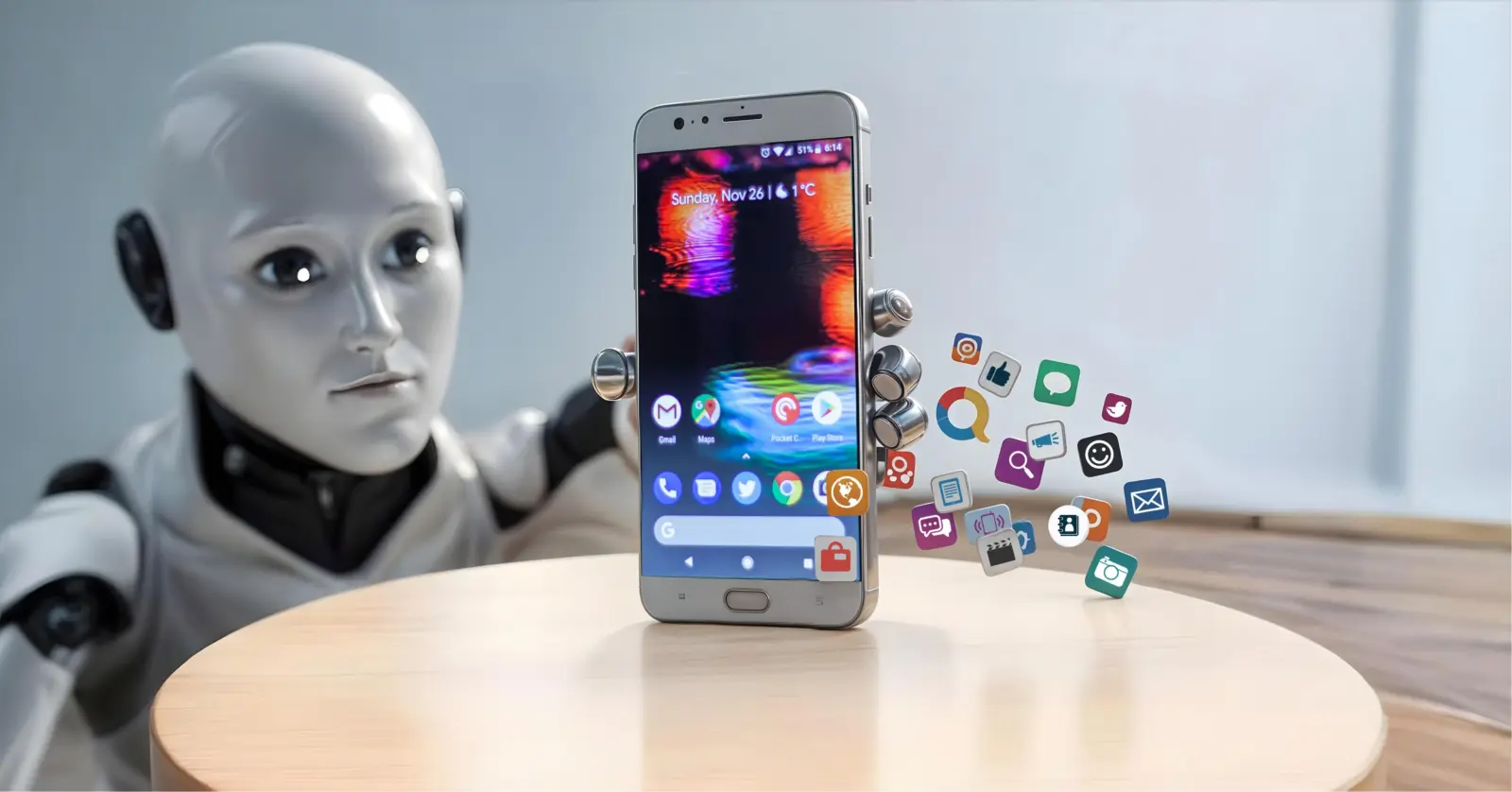
To order a new‑generation smartphone with AI features, start by matching the device’s on‑board intelligence to the tasks you perform daily—whether it’s instant photo enhancement, predictive typing, or real‑time language translation. Modern AI‑enabled phones combine dedicated neural processors, 5G connectivity, and machine‑learning‑optimized software, delivering experiences that feel like having a personal assistant in your pocket. For a deeper dive into the performance side, check out our high‑speed processor guide which outlines which chips truly power AI workloads.
Why AI Features Define the New Generation of Smartphones
Artificial intelligence is no longer a buzzword; it’s the operating system of today’s flagship devices. According to a 2026 Gartner report, 78 % of smartphone users consider AI capabilities a primary factor in their purchase decision. This shift is driven by three core benefits:
- Context‑aware assistance: AI learns your habits, predicts app usage, and automates routine actions.
- Enhanced visual computing: Machine‑learning models process images in real time, producing professional‑grade photos without a DSLR.
- Seamless connectivity: Edge AI paired with 5G enables low‑latency AR overlays and instant cloud‑offloading for heavy tasks.
AI‑Driven Photography
The most visible AI breakthrough is in camera systems. Brands now embed a dedicated Neural Processing Unit (NPU) that can identify subjects, balance exposure, and even replace the sky in seconds. For example, the “AI‑Portrait Mode” isolates the subject, applies depth‑aware blur, and adjusts lighting based on ambient conditions—all while you frame the shot.
Studies from the International Imaging Association (IIA, 2025) show that AI‑enhanced photos receive 32 % higher engagement on social platforms compared to traditional smartphone images. If you frequently share visuals, look for features like “AI‑powered camera” or “machine‑learning‑based night mode.”
Real‑Time Language Translation & Voice Assistants
Travelers and multilingual professionals benefit from on‑device translation that works offline. Leveraging edge AI, the latest smartphones can convert spoken Mandarin to English in under 300 ms, preserving nuance and idiomatic expressions. This capability reduces reliance on external apps and keeps data private.
In addition, AI voice assistants have become proactive. They can draft emails, schedule meetings, and even suggest optimal routes based on traffic patterns learned from your past behavior. The integration of AI into the OS ensures the assistant works across all apps, not just the native one.
Core Hardware That Powers AI on Your Phone
Behind every AI‑rich experience sits a combination of silicon and software. In 2026, the industry standard for AI performance includes:
- Dedicated NPU or Tensor Core: Handles matrix multiplications essential for neural networks, freeing the main CPU for multitasking.
- Octa‑core or higher CPUs with AI‑optimized cores: Snapdragon 8 Gen 2 and Apple’s A18 Bionic illustrate how heterogeneous architectures accelerate on‑device inference.
- 5G modem with edge‑AI support: Enables low‑latency data exchange, crucial for AR overlays and cloud‑based model updates.
- High‑speed LPDDR5X RAM and UFS 4.0 storage: Guarantees that large AI models load instantly.
When comparing devices, consult the high‑speed processor guide to see which chipsets deliver the best AI throughput per watt.
Choosing the Right Model: Practical Checklist
Ordering a smartphone isn’t just about brand loyalty; it’s about aligning technology with your workflow. Use the following checklist to narrow down options:
- Identify the AI use cases you need. Are you focused on photography, productivity, or gaming?
- Verify the presence of a dedicated NPU. Look for terms like “Neural Engine,” “Tensor Processing,” or “AI accelerator.”
- Check 5G band compatibility. Ensure the phone supports both Sub‑6 GHz and mmWave if you travel internationally.
- Evaluate battery endurance with AI workloads. Manufacturers often publish “AI‑mode battery life” metrics.
- Consider bundled accessories. A smartphone deals with free accessories can offset the cost of premium chargers or cases.
Real‑World Use Cases: From Business to Lifestyle
Enterprise productivity: Sales teams use AI‑enhanced CRMs that auto‑populate contact details from scanned business cards, while AI‑driven analytics forecast client behavior.
Creative professionals: Filmmakers rely on AI‑upscaling to convert 4K footage to 8K in post‑production, cutting rendering time by up to 45 %.
Health & fitness: Wearable integration allows the phone’s AI to interpret heart‑rate variability, providing personalized workout recommendations.
These scenarios illustrate that the AI layer adds tangible value beyond novelty, turning the smartphone into a multi‑purpose tool.
Common Pitfalls and How to Avoid Them
Even with sophisticated hardware, users can stumble into traps that diminish AI benefits:
- Neglecting software updates. AI models improve over time; skipping OTA updates can leave you with outdated performance.
- Over‑reliance on cloud processing. While cloud AI offers power, it consumes data and can introduce latency. Prioritize on‑device AI where privacy matters.
- Choosing storage‑first devices. A phone with ample storage but a weak NPU will falter in AI tasks. Balance both specs.
FAQ – Answering the Most Pressing Questions
Can I upgrade the AI capabilities after purchase?
Most manufacturers release firmware updates that refine AI algorithms, but hardware limitations (e.g., absence of an NPU) cannot be retrofitted. Selecting a device with a robust AI chipset from the start is essential.
Do AI features drain the battery significantly?
Modern NPUs are designed for energy efficiency, often consuming less than 1 % of total power during continuous inference. However, intensive tasks like AI video editing will still impact battery life—look for “AI‑mode battery endurance” in spec sheets.
Is my personal data safe with on‑device AI?
On‑device processing keeps data local, reducing exposure to network breaches. Companies such as Apple and Google publish privacy whitepapers (see Wikipedia’s AI entry) outlining how data stays on the device unless you explicitly sync to the cloud.
What’s the price difference between AI‑enabled and standard phones?
Premium AI smartphones typically carry a 10–20 % price premium. However, bundles like the smartphone deals with free accessories can mitigate the cost, delivering added value through chargers, cases, or extended warranties.
Will AI features become a standard across all price tiers?
By 2027, analysts from IDC predict that AI accelerators will appear in mid‑range devices, democratizing features like real‑time translation and advanced photography. Early adopters in the flagship segment set the groundwork.
Final Thoughts: Making an Informed Order
Ordering a new‑generation smartphone with AI features is less about chasing hype and more about matching intelligent hardware to real‑world needs. Evaluate the AI use cases that matter to you, verify the presence of a dedicated neural processor, and ensure 5G compatibility for future‑proof connectivity. By following the checklist above and leveraging reputable bundles—such as the modern minimalist smartphone guide—you’ll secure a device that not only impresses today but scales with the AI advancements of tomorrow.






Leave a Comment